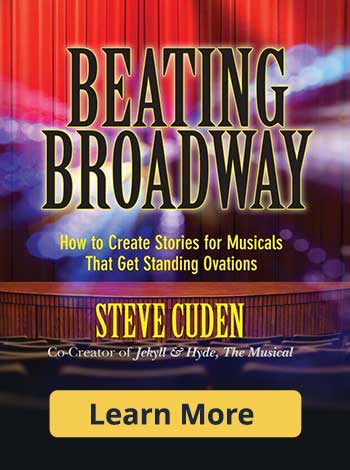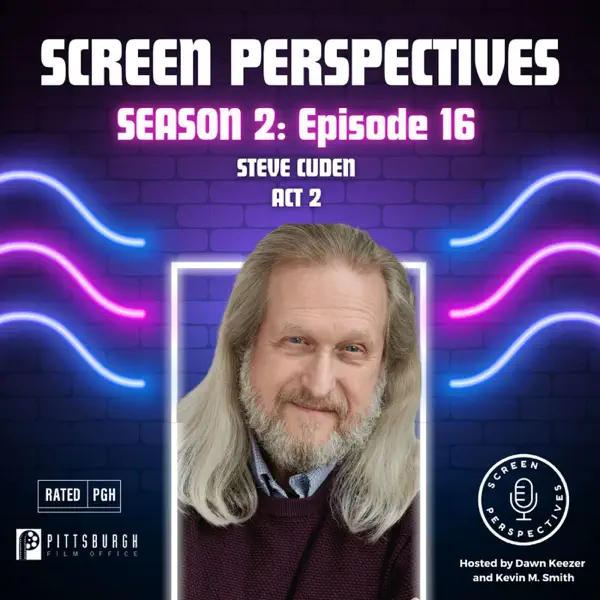
In a recent episode of Screen Perspectives, writer and playwright Steve Cuden joined hosts Dawn Keezer and Kevin Michael Smith for a candid conversation about storytelling, career endurance, and the unpredictable life cycle of a Broadway musical.
Cuden’s career spans nearly 90 teleplays, Broadway, and decades of teaching, but a central focus of the episode is Jekyll & Hyde, the show he co-created and whose legacy continues to evolve long after its original Broadway run.
When Reviews Don’t Decide a Show’s Fate
Cuden speaks openly about the musical’s early reception, including the now-infamous Broadway review by Ben Brantley, which sharply criticized the production. At the time, Jekyll & Hyde was not regarded as a critical success, and for years afterward, reviews across the country often echoed that initial response.
What changed, Cuden explains, was not the show itself—but time.
As the musical continued to be produced internationally, audience response began to reshape its reputation. Over the years, Jekyll & Hyde became what Cuden describes as a “chestnut”—a work that grows in stature as it ages. Today, the show has been translated into more than 20 languages and, by Cuden’s account, has generated over a billion dollars worldwide.
Longevity Over Opening Night
The episode underscores a broader truth about theater: great reviews may help a show open, but they do not guarantee longevity. Word of mouth, emotional impact, and audience connection ultimately determine whether a musical survives beyond its initial run.
Cuden frames Jekyll & Hyde as “the little engine that could”—a case study in how work can outlive its first impression. Rather than chasing immediate validation, he argues, creators should focus on craft, structure, and emotional catharsis—the elements that allow stories to endure.
For writers and theater artists, the conversation offers a grounded reminder that success is rarely linear, and that time itself can become an ally in shaping a work’s legacy.
Listen on Apple Podcasts below or click here for more listening options for Screen Perspectives.